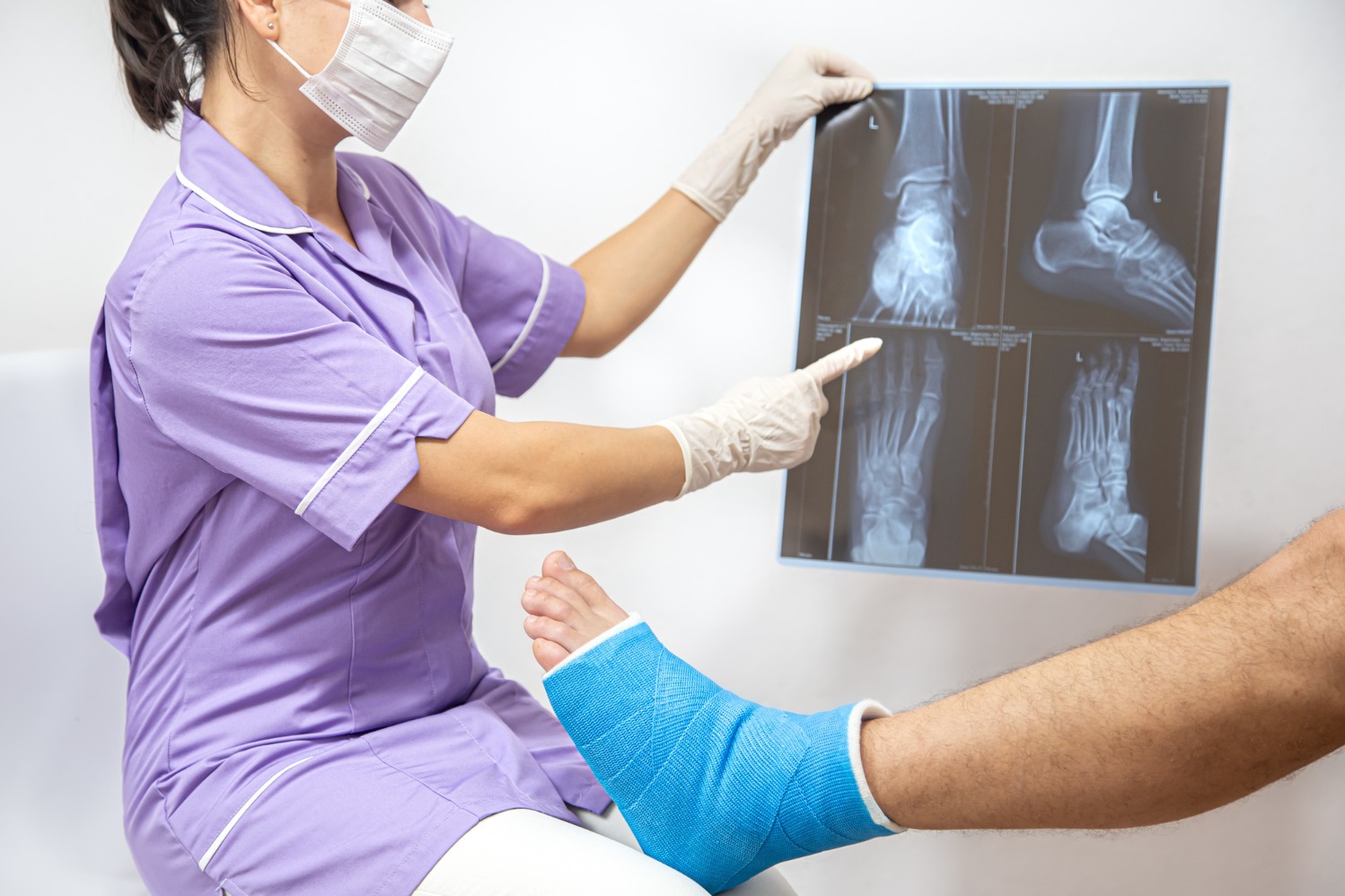
A ligament injury can range from a mild sprain to a complete tear that significantly affects joint stability. Because these injuries vary so widely, treatment should not be based simply on the words 'ligament tear' appearing in an MRI report.
When searching for the Best Ligament Injury Surgeon in Jaipur, patients should look for a diagnostic process that connects imaging findings with symptoms, examination, activity requirements, and joint function.
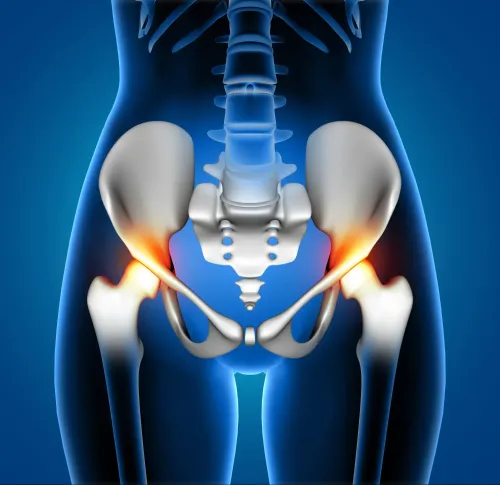
Ligaments help stabilize joints. Injuries can occur in the knee, ankle, shoulder, wrist, and other areas, often following twisting, falls, collisions, or sporting movements.
The first question is which ligament has been injured and how severely.
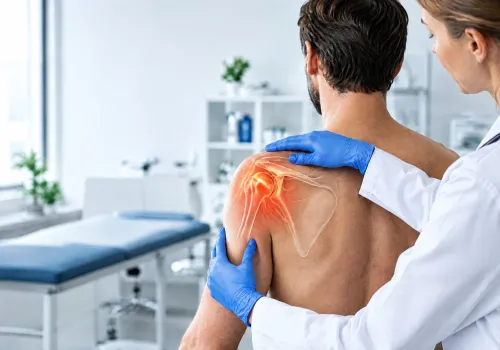
Clinical evaluation may assess tenderness, swelling, joint movement, instability, strength, and the mechanism of injury. Imaging can then provide additional information when necessary.
Treatment may vary considerably.
A lower-grade stable injury may respond to protection, appropriate bracing, rehabilitation, and gradual return to activity. More significant injuries can require longer rehabilitation. Selected complete tears or injuries causing persistent instability may lead to consideration of surgical repair or reconstruction.
Several factors influence that decision:
- Joint involved
- Severity of ligament damage
- Degree of instability
- Associated cartilage or meniscal injury
- Patient's age and general health
- Occupation
- Sporting requirements
- Response to rehabilitation
- Recurrent episodes of giving way
This explains why two people with apparently similar scan reports may receive different recommendations.
Patients should be cautious about two extremes: assuming every ligament tear needs surgery or assuming every injury will heal adequately with rest.
Neither approach accounts for individual circumstances.
For people in Jaipur, particularly those involved in sports or physically demanding occupations, functional requirements deserve careful discussion. Someone who performs regular pivoting movements may place different demands on an injured joint than someone whose daily activities are relatively low impact.
Dr Ashwini Kumar Khicher evaluates orthopedic ligament injuries with attention to stability, associated damage, and the patient's expected activity level.
A useful provider-selection consultation should also explain rehabilitation. Whether treatment is surgical or non-surgical, restoring movement, strength, balance, and neuromuscular control is often important.
Before committing to a treatment plan, patients should be able to answer four questions clearly: What exactly is injured? How unstable is the joint? What happens if it is treated without surgery? What would surgery realistically add?
Those answers make it easier to choose care based on clinical reasoning rather than fear, online comparisons, or the MRI report alone.
Keywords